


| SNo. | Scientific Name | Locality | Habitat | Basis of Record | Description | Recorded By | Record Number | Island | Source | Date |
|---|---|---|---|---|---|---|---|---|---|---|
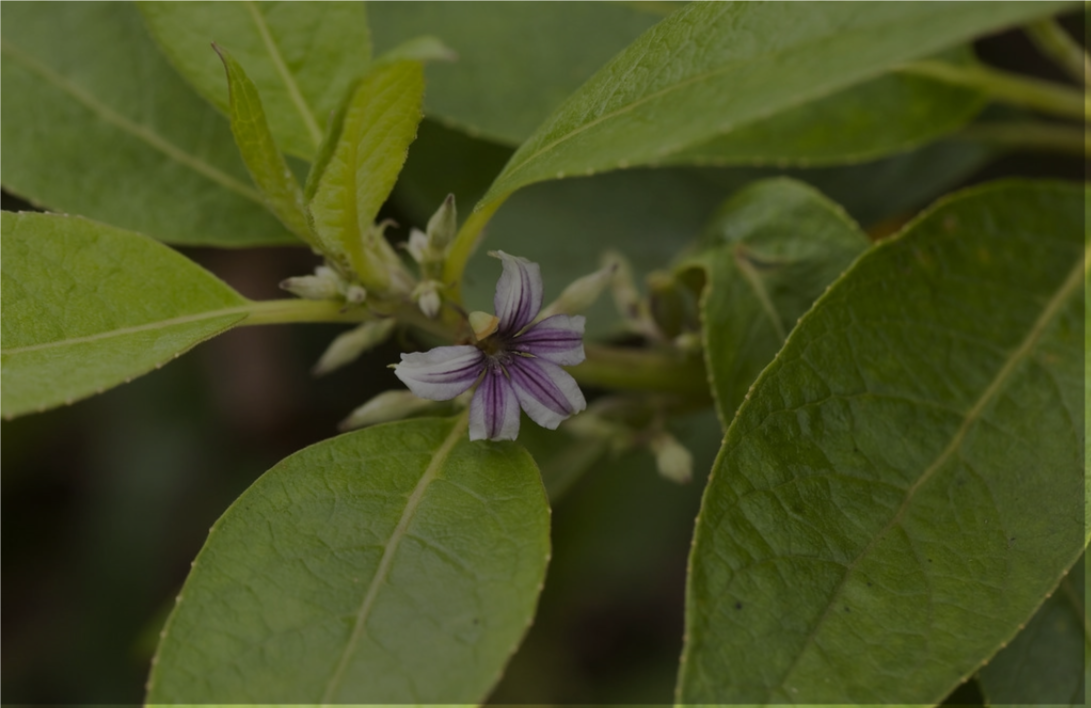
| 1 | Clermontia calophylla | Locality redacted. Contact Bishop Museum Botany Department for details | Preserved_Specimen | Fls. violet purple, segments recurved, cleft half way down, staminal column free from perianth. | St.John, H. | 11456 | Hawaii | BISH | 1932-01-01 | |
| 2 | Clermontia calophylla | Locality redacted. Contact Bishop Museum Botany Department for details | Preserved_Specimen | Skottsberg, C.J.F. | 707 | Hawaii | BISH | 1922-09-29 | ||
| 3 | Clermontia calophylla | Locality redacted. Contact Bishop Museum Botany Department for details | on slopes of Mt. Eke in Metrosideros-Cheirodendron-Cibotium spp. montane wet forest with Broussaisia, Sadleria, Cyrtandra, Myrsine, Vaccinium, Uncinia, Alyxia, Labordia, Psychotria, Melicope, Rubus hawaiensis, Dryopteris wallichiana, Astelia, Clermontia | Preserved_Specimen | few small trees with flowers and immature fruit | Perlman, S. | 14838 | Hawaii | BISH | 1995-08-09 |
| 4 | Clermontia calophylla | Locality redacted. Contact Bishop Museum Botany Department for details | Preserved_Specimen | Skottsberg, C.J.F. | 707 | Hawaii | BISH | 1922-09-29 | ||
| 5 | Clermontia calophylla | Locality redacted. Contact Bishop Museum Botany Department for details | Preserved_Specimen | Skottsberg, C.J.F. | 3149 | Hawaii | BISH | 1938-01-01 | ||
| 6 | Clermontia calophylla | Locality redacted. Contact Bishop Museum Botany Department for details | Preserved_Specimen | Rock, J.F.C. | 8814 | Hawaii | BISH | 1910-06-01 | ||
| 7 | Clermontia calophylla | Locality redacted. Contact Bishop Museum Botany Department for details | Preserved_Specimen | Rock, J.F.C. | 4781 | Hawaii | BISH | 1909-07-09 | ||
| 8 | Clermontia calophylla | Locality redacted. Contact Bishop Museum Botany Department for details | Preserved_Specimen | Rock, J.F.C. | 4788 | Hawaii | BISH | 1909-07-09 | ||
| 9 | Clermontia calophylla | Locality redacted. Contact Bishop Museum Botany Department for details | Preserved_Specimen | Rock, J.F.C. | 4771 | Hawaii | BISH | 1909-07-09 | ||
| 10 | Clermontia calophylla | Locality redacted. Contact Bishop Museum Botany Department for details | Preserved_Specimen | Rock, J.F.C. | 8814 | Hawaii | BISH | 1910-06-01 | ||
| 11 | Clermontia calophylla | Locality redacted. Contact Bishop Museum Botany Department for details | Preserved_Specimen | Rock, J.F.C. | Hawaii | BISH | 1910-07-01 | |||
| 12 | Clermontia calophylla | Locality redacted. Contact Bishop Museum Botany Department for details | Preserved_Specimen | Corn, C. | Hawaii | BISH | 1984-04-26 | |||
| 13 | Clermontia calophylla | Locality redacted. Contact Bishop Museum Botany Department for details | Preserved_Specimen | Rock, J.F.C. | Hawaii | BISH | 1910-07-01 | |||
| 14 | Clermontia calophylla | Locality redacted. Contact Bishop Museum Botany Department for details | Preserved_Specimen | Rock, J.F.C. | 4780 | Hawaii | BISH | 1909-07-09 | ||
| 15 | Clermontia calophylla | Locality redacted. Contact Bishop Museum Botany Department for details | Wet forest | Preserved_Specimen | Shrub, 1.5 m; hypanthium green; unexpanded perianth dark black-purple. | Lammers, T.G. | 5763 | Hawaii | BISH | 1985-06-24 |
| 16 | Clermontia calophylla | Locality redacted. Contact Bishop Museum Botany Department for details | In Metrosideros-Cheirodenron montane wet shrubland with Vaccinium, Myrsine, Trematolobelia grandifolia, Styphelia, Sadleria, Ilex, Melicope clusiifolia, Lycopodium, Peperomia, Coprosma, Dubautia, Cibotium spp. | Preserved_Specimen | With flowers and immature fruit. | Perlman, S. | 15081 | Hawaii | BISH | 1995-10-11 |
| 17 | Clermontia calophylla | Locality redacted. Contact Bishop Museum Botany Department for details | Rain forest. | Preserved_Specimen | Shrub 15 ft high; sepal and petal lobes cleft halfway down, green throughout. | St.John, H. | 11503 | Hawaii | BISH | 1932-01-02 |
| 18 | Clermontia calophylla | Locality redacted. Contact Bishop Museum Botany Department for details | Metrosideros-Cheirodendron-Cibotium montane wet forest w/Dryopteris acutidens, Clermontia spp., Asplenium spp., Labordia hirtella. | Preserved_Specimen | 2 m tall, many branched tree; trunk grey-brown; leaves med-green; calyx light-green; corolla purple; ca. 20 plants. | Wood, K.R. | 4776 | Hawaii | BISH | 1995-11-21 |
| 19 | Clermontia calophylla | Locality redacted. Contact Bishop Museum Botany Department for details | In Metrosideros-Dicranopteris linearis montane wet forest with Sadleria, Cibotium spp., Coprosma, Clermontia drepanomorpha, Clermontia kohalae, Trematolobelia, Cyanea tritomantha, Astelia, Myrsine. | Preserved_Specimen | Perlman, S. | 15174 | Hawaii | BISH | 1995-11-30 | |
| 20 | Clermontia calophylla | Locality redacted. Contact Bishop Museum Botany Department for details | In relatively open places in wet Metrosideros forest, with Gunnera petaloidea, Ilex anomala, Scaevola chamissoniana, Trematolobelia macrostachys, Sadleria, Myrsine, Cheirodendron, Broussaisia. | Preserved_Specimen | Carlquist, S. | 1857 | Hawaii | BISH | 1966-06-24 | |
| 21 | Clermontia calophylla | Locality redacted. Contact Bishop Museum Botany Department for details | Growing on exposed ridgeline below summit. Growing with Metrosideros polymorpha, Cheirodendron trigynum subsp. trigynum, Melicope clusiifolia, Leptecophylla tameiameiae, Hedychium gardnerianum, Vaccinium calycinum, Myrsine lessertiana, Clermontia drepanomorpha, Sphagnum palustre. | Preserved_Specimen | Similar to C. calophylla but with white flowers and different leaf morphology. | VanDeMark, J. | 47 | Hawaii | BISH | 2021-01-08 |
| 22 | Clermontia calophylla | Locality redacted. Contact Bishop Museum Botany Department for details | rain forest | Preserved_Specimen | Shrub 20 ft.high; petal lobes cleft abt. half way down; calyx green without, rich purple within, like the petals, calyx cleft on anterior side of the base, lateral or posterior lobes cleft abt. half way down. | St.John, H. | 11498 | Hawaii | BISH | 1932-01-02 |
| 23 | Clermontia calophylla | Locality redacted. Contact Bishop Museum Botany Department for details | Growing on exposed ridgeline below summit. Growing with Metrosideros polymorpha, Cheirodendron trigynum subsp. trigynum, Melicope clusiifolia, Leptecophylla tameiameiae, Hedychium gardnerianum, Vaccinium calycinum, Myrsine lessertiana, Clermontia drepanomorpha, Sphagnum palustre. | Preserved_Specimen | Similar to C. calophylla but with white flowers and different leaf morphology. | VanDeMark, J. | 47 | Hawaii | BISH | 2021-01-08 |
| 24 | Clermontia calophylla | Locality redacted. Contact Bishop Museum Botany Department for details | steep sides of Gulch | Preserved_Specimen | Spreading shrub, Height: 2½ m. | MacDaniels, L.H. | 336 | Hawaii | BISH | 1926-12-06 |
Lorem ipsum dolor sit amet, consectetur adipiscing elit, sed do eiusmod tempor incididunt ut labore et dolore magna aliqua. Ut enim ad minim veniam, quis nostrud exercitation ullamco laboris nisi ut aliquip ex ea commodo consequat. Duis aute irure dolor in reprehenderit in voluptate velit esse cillum dolore eu fugiat nulla pariatur. Excepteur sint occaecat cupidatat non proident, sunt in culpa qui officia deserunt mollit anim id est laborum.
Lorem ipsum dolor sit amet, consectetur adipiscing elit, sed do eiusmod tempor incididunt ut labore et dolore magna aliqua. Ut enim ad minim veniam, quis nostrud exercitation ullamco laboris nisi ut aliquip ex ea commodo consequat. Duis aute irure dolor in reprehenderit in voluptate velit esse cillum dolore eu fugiat nulla pariatur. Excepteur sint occaecat cupidatat non proident, sunt in culpa qui officia deserunt mollit anim id est laborum.
Lorem ipsum dolor sit amet, consectetur adipiscing elit, sed do eiusmod tempor incididunt ut labore et dolore magna aliqua. Ut enim ad minim veniam, quis nostrud exercitation ullamco laboris nisi ut aliquip ex ea commodo consequat. Duis aute irure dolor in reprehenderit in voluptate velit esse cillum dolore eu fugiat nulla pariatur. Excepteur sint occaecat cupidatat non proident, sunt in culpa qui officia deserunt mollit anim id est laborum.
Lorem ipsum dolor sit amet, consectetur adipiscing elit, sed do eiusmod tempor incididunt ut labore et dolore magna aliqua. Ut enim ad minim veniam, quis nostrud exercitation ullamco laboris nisi ut aliquip ex ea commodo consequat. Duis aute irure dolor in reprehenderit in voluptate velit esse cillum dolore eu fugiat nulla pariatur. Excepteur sint occaecat cupidatat non proident, sunt in culpa qui officia deserunt mollit anim id est laborum.
Lorem ipsum dolor sit amet, consectetur adipiscing elit, sed do eiusmod tempor incididunt ut labore et dolore magna aliqua. Ut enim ad minim veniam, quis nostrud exercitation ullamco laboris nisi ut aliquip ex ea commodo consequat. Duis aute irure dolor in reprehenderit in voluptate velit esse cillum dolore eu fugiat nulla pariatur. Excepteur sint occaecat cupidatat non proident, sunt in culpa qui officia deserunt mollit anim id est laborum.
Lorem ipsum dolor sit amet, consectetur adipiscing elit, sed do eiusmod tempor incididunt ut labore et dolore magna aliqua. Ut enim ad minim veniam, quis nostrud exercitation ullamco laboris nisi ut aliquip ex ea commodo consequat. Duis aute irure dolor in reprehenderit in voluptate velit esse cillum dolore eu fugiat nulla pariatur. Excepteur sint occaecat cupidatat non proident, sunt in culpa qui officia deserunt mollit anim id est laborum.
Thank you for your interest in submitting an image of
Select your image and leave a brief description of your photo below.